
Traducciones del Sur, connects ideas, cultures and opportunities
in the English-Spanish combination

About me
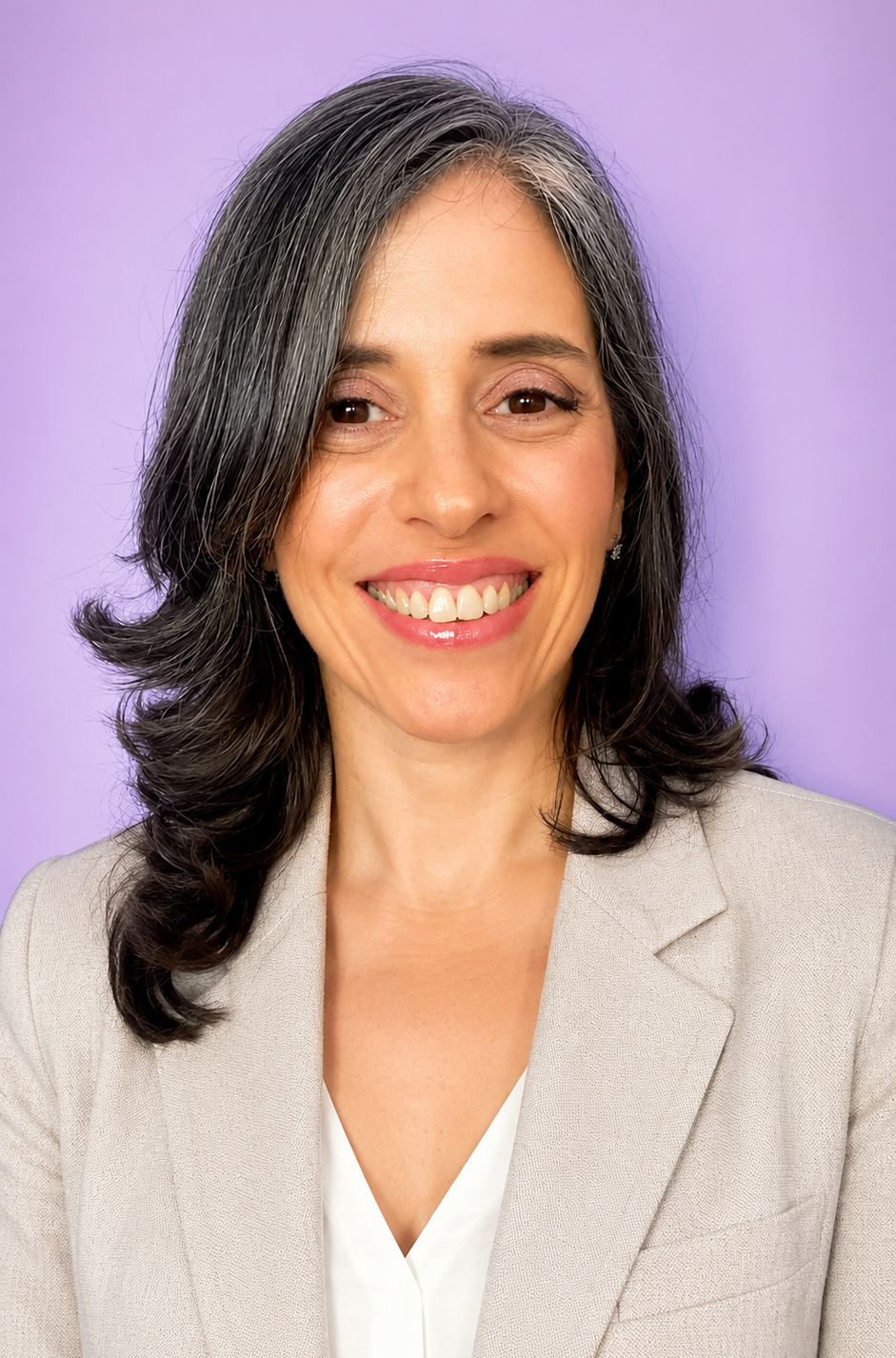
Lourdes Martino, born in Uruguay, with 25 years of experience as an English teacher and over 20 years of professional experience as a translator and interpreter, working between English and Spanish.
I graduated as a Sworn English–Spanish Translator from Universidad de la República (UdelaR) in Montevideoin 2004 and became ATA-certified in 2010. In 2012, I graduated from the Interpreting programme atLondon Metropolitan University.
I currently work as a translator and interpreter in Uruguay, neighbouring countries and internationally, providing services remotely. I specialise in sworn translations, work for international organisations, and environmental and climate-related issues at a global level. I also provide multilingual interpreting and translation project management services, as well as language consultancy.
Services
Translation
Official translations
A Sworn Translator is required to translate certain documents issued by government bodies or other official institutions. Before these documents can be submitted to the relevant authorities, the signatures of the consular officials must be legalised. Please see our FAQs for further information.
Some of the documents that may require a sworn translation:
- birth, marriage and death certificates
- corporate documents
- court judgements and legal proceedings
- wills
- qualifications and academic records
- identity documents, including identity cards, passports and driving licences
- notarial deeds and certificates
- patents
Other translations
We translate general and technical texts, specialising in the legal, business and human rights sectors, as well as the translation of scientific publications.
Some of the texts and documents we work with daily:
- financial statements
- contracts, business plans and reports
- tax documents
- international directives
- forms and questionnaires
- corporate and business documents (human resources, finance, marketing, etc.)
- brochures and correspondence
- websites
- telecommunications, systems and technical manuals
Transcreation
Marketing activities require transcreation or "creative translation" services. Crossing geographical borders also means crossing cultural boundaries. To ensure your brand, slogan, or campaign has the same impact in another language and culture, we need to look beyond the words themselves.
A direct translation can easily lose a message's symbolism and impact. Transcreation, on the other hand, considers every aspect of the message: its content, symbolism, wording, colours and cultural context. It takes a concept from one language and creatively recreates it to ensure it is both linguistically and culturally appropriate for the target market.
Revision and proofreading
Revising a document means comparing the translation with the source text to ensure it conveys the original meaning accurately and respects all grammatical, cultural and register nuances. The final text must read as if it had been originally written in the target language: it must not «feel» like a translation.
During proofreading, the final text is evaluated for spelling, punctuation, syntax, coherence, organisation, and style.
Interpretation
Simultaneous or conference interpreting
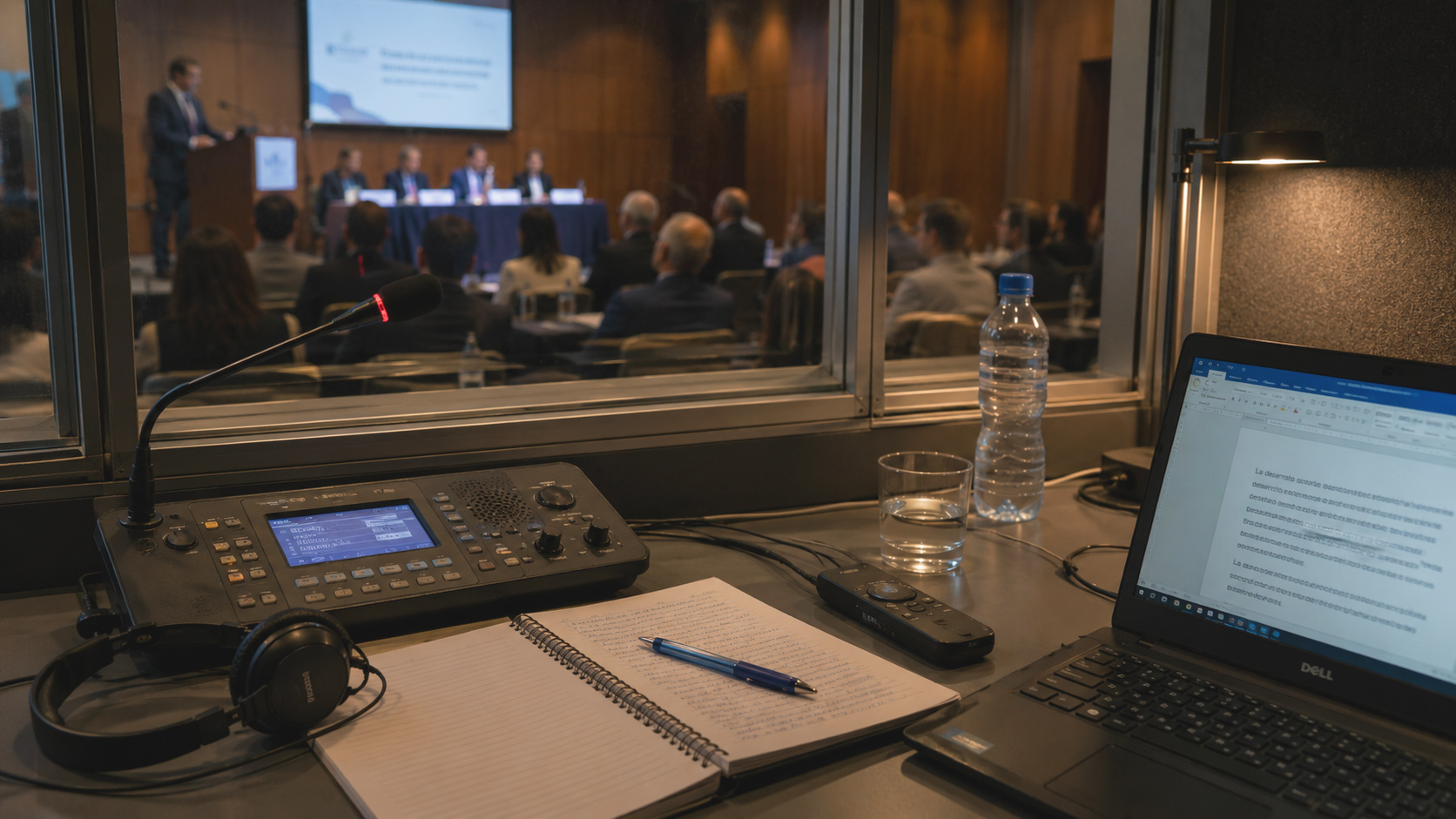
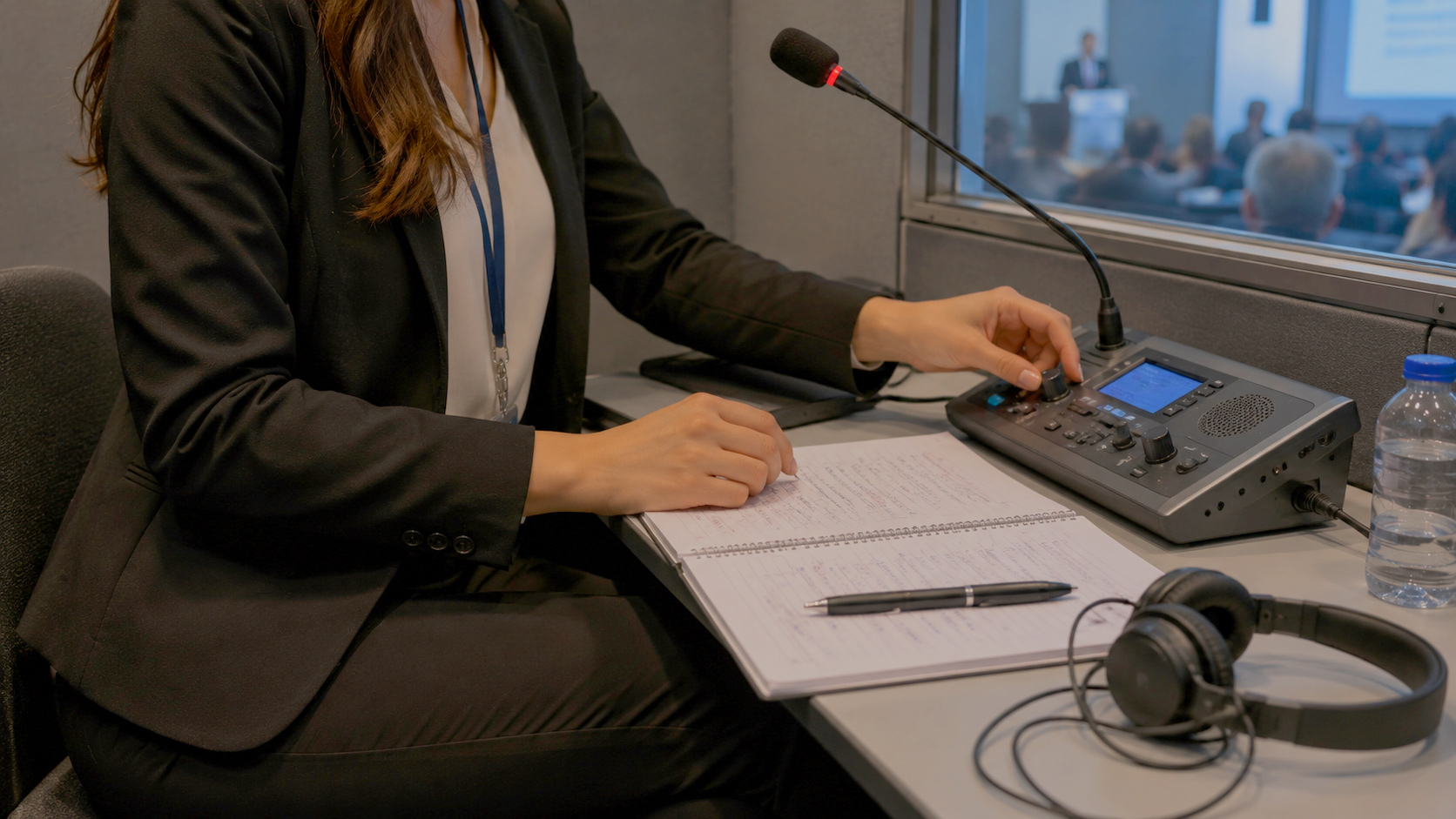
It is undoubtedly the best known type of interpreting, thanks to Nicole Kidman and her film "The Interpreter." As shown in the film, two interpreters work together in a booth, receiving the speaker’s words via headphones and conveying the message to the audience in the second language. Because of the nature of the work and the mental strain it entails, two interpreters work in 20- to 30-minute shifts each.
It is the most flexible and dynamic form of interpreting because it has no pauses and the speaker does not need to be interrupted; as a result, the event does not run over time. It is ideal for conferences, seminars and workshops.
In simultaneous interpreting, the interpreter listens to the message and relays it orally into the target language, almost in real time, so that the audience hears something as close as possible to the original.
Simultaneous interpretation is frequently used in:
- conferences
- seminars
- workshops
- business meetings
Consecutive interpreting
The speaker’s speech is divided into segments. After each segment, the speaker pauses so the interpreter, having listened carefully and taken notes, can convey the message in the target language.
Generally, the speaker and the interpreter agree on the length of these sections or segments before starting work, depending on the difficulty of the subject matter and the purpose of the interpretation.
Consecutive interpretation is used for events with few participants, for example: negotiations or press conferences, where the speakers' interventions are shorter and can be segmented.
Consecutive interpreting is frequently used for the following events:
- press conferences
- business meetings
- meetings in general
- statements
Whispered interpretation or "chuchotage"
A form of simultaneous interpreting used when only one or a few people at the meeting or hearing do not speak the speaker’s language. The interpreter sits next to the delegate and whispers the message in the target language.
This type of interpreting can be carried out using portable interpreting equipment, which we also offer for hire.
Booth, audio and equipment rental
Managing interpreting booths and audio equipment is essential to your conference's success. We are here to help you coordinate the hire of interpreting booths or portable interpreting equipment, along with all the audiovisual equipment needed to ensure the quality of your event.
FAQs
What is the difference between translation and interpretation?
Translation consists of understanding a text in the source language and then expressing its meaning in the target language in writing.
Interpreting also involves conveying a message from one language to another, but in this case, the task is performed orally to facilitate communication and convey the message as closely as possible to the original.
How are translation services billed?
Sworn translations are charged per page as per the fees set by the Uruguayan Association of Sworn Translators. These fees are determined by the type and length of the document to be translated.
Unofficial translations are charged based on the word count of the original text. Proofreading and editing may be charged based on the word count of the original text or by the hour. Please contact us if you would like a personalised quote.
How to commission a translation project
When requesting a quote for the project, you must provide a representative sample of the text to be translated. Once the quote is approved, you must send the full text to be translated, along with any relevant appendices, diagrams, images and other necessary reference material.
We recommend staying in close communication with the translation team to clarify any questions about terminology or content, ensuring a high-quality translation. The translation project may include industry-specific glossaries or terms you propose.
How to commission interpretation services
We need to determine the appropriate type of interpreting and how many interpreters are required. To do this, we need to know the type of event, its duration and the number of attendees and speakers.
Before the event, it is essential to have information on the subject matter and programme and to receive the presentations, videos and texts the speakers will use. This will enable the interpreters to conduct thorough research and terminological analysis.
How do you apostille or legalise a Uruguayan public document?
Please go to the Ministry of Foreign Affairs, Consular Affairs Department, located at 1384 Cuareim, Montevideo, from Monday to Friday between 10.00 am and 3.30 pm (more information).